5 Practical Ways Families Can Prepare For Supply Disruptions
Supply Over the last few years, many families experienced something they never expected to see in modern life:
Empty shelves.
Delayed deliveries.
Fuel shortages.
Rising food prices.
And uncertainty about what could happen next.
Whether it’s global conflict, economic instability, cyberattacks, natural disasters, or transportation problems, one thing has become clear:
Most households are not prepared for sudden disruptions.
The good news?
You do not need a bunker, thousands of dollars, or extreme survival skills to protect your family.
Small practical steps today can make a huge difference tomorrow.
In this article, we’ll look at 5 realistic ways ordinary families can become more prepared, more self-sufficient, and less dependent on fragile systems.
1. Start With Food Security — Even a Small Backup Helps
One of the biggest shocks people faced during recent shortages was how quickly basic items disappeared.
Rice.
Milk.
Cooking oil.
Medicine.
Even bottled water.
Many families assumed stores would always be fully stocked — until panic buying and supply chain problems proved otherwise.
Supply A Real-Life Example
During several recent crises around the world, grocery stores saw empty shelves within just 24–48 hours after panic spread online.
Families with children suddenly found themselves searching multiple stores for essentials.
The stressful part wasn’t just the shortage.
It was the feeling of having no backup plan.
What You Can Do Today
You don’t need years of food storage.
Start simple:
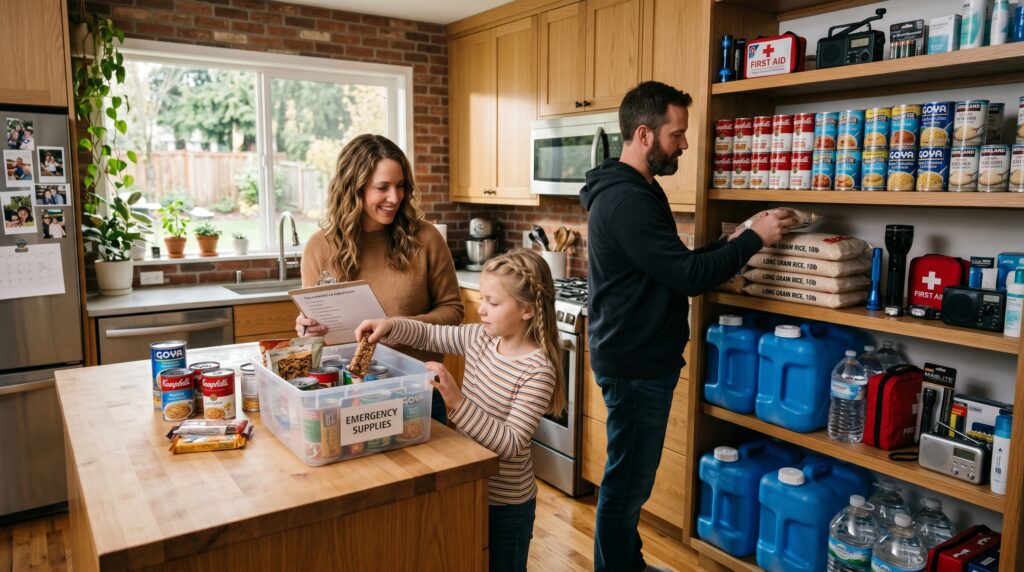
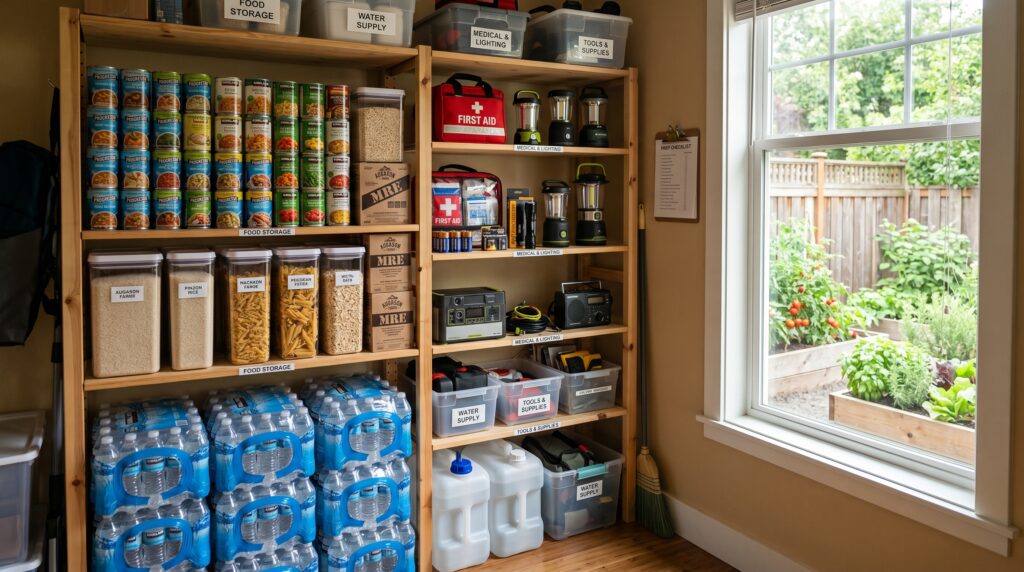
- 2 weeks of extra rice or grains
- canned foods
- dry beans
- water containers
- basic medicines
- long-lasting snacks
- batteries and flashlights
The goal is not fear.
The goal is peace of mind.
Even small preparation reduces panic during emergencies.
2. Learn At Least One Self-Sufficient Skill
Many people are realizing something important:
Modern convenience has made us highly dependent on systems we cannot control.
If deliveries stop…
If prices rise…
If utilities fail…
Most people have no idea what to do next.
That’s why self-sufficiency skills are becoming increasingly valuable.
Useful Skills Anyone Can Learn
- growing basic vegetables
- collecting and storing water
- cooking without electricity
- food preservation
- backyard gardening
- simple home repairs
- emergency planning
These skills were once considered “old-fashioned.”
Today, they are becoming practical life insurance.
Why This Matters
A family that can grow even part of its food has more stability during uncertain times.
A person who knows emergency basics stays calmer under pressure.
Preparedness is not paranoia.
It’s resilience.
3. Reduce Dependency On One Source Of Income
Global instability affects more than stores.
It affects jobs, businesses, and household finances too.
Many people learned this the hard way during economic slowdowns and layoffs.
The Real Problem
Most households rely on:
- one paycheck
- one employer
- one system
That creates vulnerability.
When disruptions happen, stress increases quickly.
A Smarter Approach
Families today are increasingly exploring:
- side income skills
- online work
- freelancing
- home businesses
- gardening and food production
- local trade skills
Even a small second income can reduce financial pressure during difficult periods.
Security is no longer just about savings.
It’s about adaptability.
4. Prepare For Power And Communication Problems
One issue many people underestimate is how dependent modern life is on electricity and internet access.
No power means:
- no charging
- no online payments
- no refrigeration
- no communication
- no information
Even short outages can create major stress.
A Common Scenario
Imagine:
- your phone battery is low
- ATMs stop working
- internet goes down
- stores close early
- fuel stations become crowded
This has happened in multiple countries during emergencies and severe weather events.
Basic Emergency Setup
Consider keeping:
- power banks
- solar chargers
- emergency lights
- backup cash
- printed emergency contacts
- battery-powered radio
You don’t need expensive equipment.
Simple preparation goes a long way.
5. Focus On Calm Preparation — Not Panic
One of the biggest mistakes people make during crises is waiting until everyone else starts panicking.
By then:
- prices rise
- supplies disappear
- stress spreads quickly
Prepared families usually prepare quietly and gradually.
Not because they expect disaster every day…
But because uncertainty has become part of modern life.
The Truth Most People Ignore
Preparedness is not about fear.
It’s about reducing dependence.
It’s about protecting your family.
It’s about staying calm when others are overwhelmed.
And honestly, many people are now realizing they wish they had started earlier.
Where Many Families Are Learning These Skills
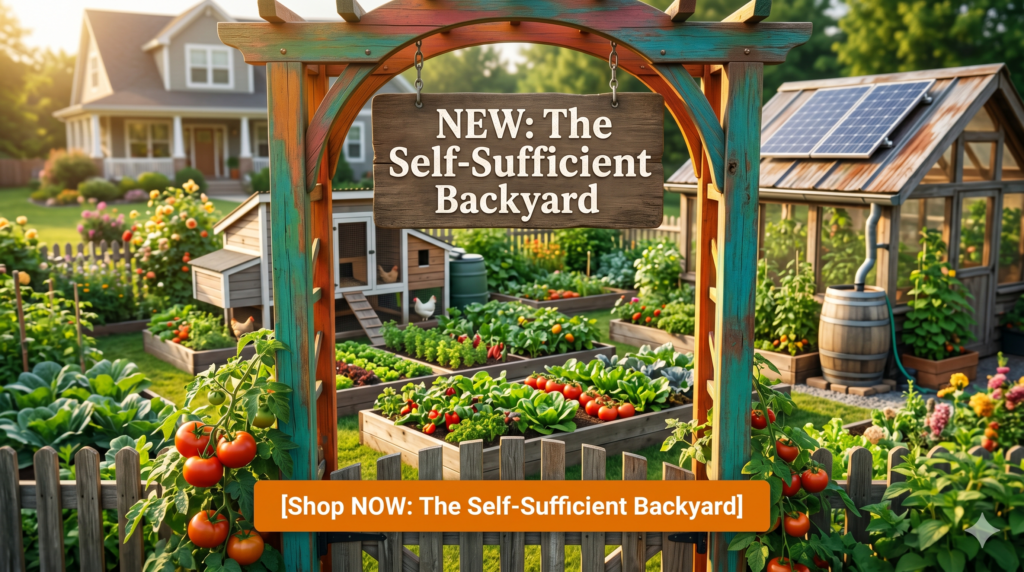
As interest in self-sufficiency grows, many people are turning to practical guides and step-by-step programs that teach:
- food storage
- off-grid basics
- emergency preparedness
- backyard survival projects
- self-reliant living
The biggest advantage of learning these skills now is simple:
You can prepare gradually instead of reacting emotionally later.
That’s why I recently started exploring some of the most popular self-sufficiency resources available online.
One guide I found especially interesting focuses on practical survival and homesteading techniques designed for ordinary families — even beginners with limited space.
It covers:
- emergency food strategies
- off-grid ideas
- backup planning
- self-sufficient living methods
- practical home preparation projects
If you’re interested in becoming more prepared without going to extremes, it may be worth taking a look.
👉 Click Here.
Final Thoughts
No one can predict the future perfectly.
But recent years have shown how quickly normal life can change.
The families who handle uncertainty best are usually not the richest.
They are the most prepared.
You don’t need fear.
You don’t need panic.
You simply need a plan.
And sometimes, small steps taken today can prevent major stress tomorrow.