The Self-Sufficient Backyard Review 2026: 100+ DIY Projects to Inflation-Proof Your Home
Discover how “The Self-Sufficient Backyard” helps you grow 100% of your vegetables on just 1,020 sq ft. Real DIY projects for water, energy, and food independence in 2026.
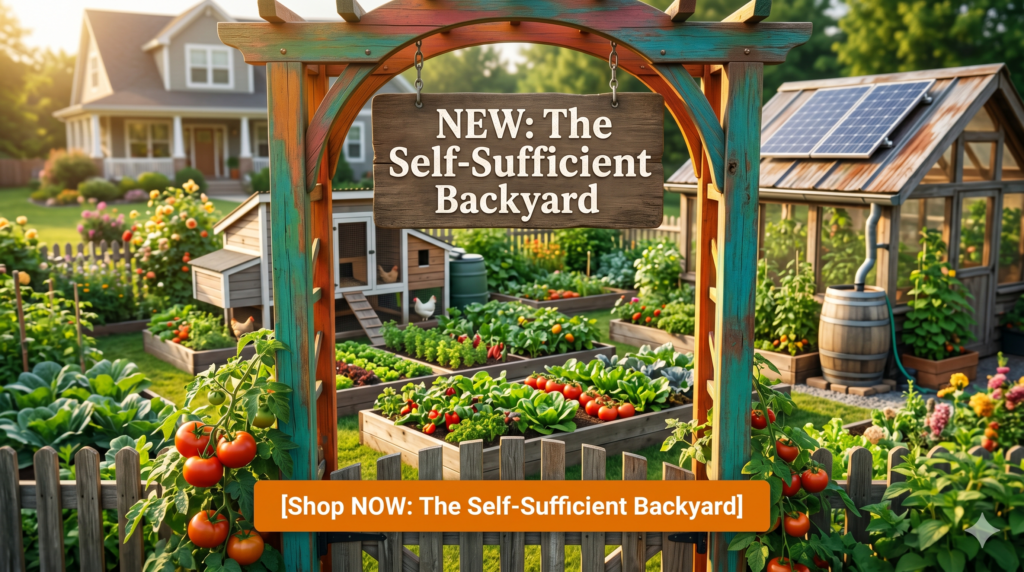
Understanding the intricacies of self-sufficiency can profoundly impact your lifestyle. Not only does it offer financial benefits, but it also cultivates a sense of accomplishment and purpose. By taking control of your food and energy sources, you can navigate economic fluctuations with greater ease. In this section, we will delve deeper into the benefits of self-sufficiency, providing examples of how individuals have successfully transitioned to more independent lifestyles.
In 2026, the idea of self-sufficiency is gaining traction, especially among urban dwellers and suburban families. Many are adopting sustainable practices such as backyard gardening, rainwater harvesting, and solar energy solutions. With the increasing cost of living, these methods not only reduce expenses but also promote environmental stewardship. This trend is reflected in community workshops and local initiatives focused on teaching self-sustainable practices.
Moreover, the mental and physical health benefits of engaging in self-sufficient practices are noteworthy. Gardening, for instance, serves as a form of exercise and stress relief, while also providing fresh produce. By investing time in these activities, individuals often experience improvements in their overall well-being, alongside the practical home advantages.
The Self-Sufficient Backyard: How to Inflation-Proof Your Life in 2026
As we move through 2026, the “Functional but Fragile” economy has many Americans asking the same question: How can I become less dependent on the grid? Between rising grocery bills and volatile energy prices, the dream of a self-sustaining home is no longer just for “preppers”—it’s a smart financial strategy for every homeowner.
Enter The Self-Sufficient Backyard by Ron and Johanna Melchiore. With over 40 years of off-grid experience, the authors have packed a 266-page “blueprint” with over 100 DIY projects designed to make your house work for you, instead of you working for your bills.
The Melchiores’ approach emphasizes the importance of community support in achieving self-sufficiency. Joining local gardening clubs or participating in co-ops can enhance your knowledge base and provide essential resources. For example, community seed exchanges foster biodiversity and reduce costs associated with purchasing seeds. Such interactions can lead to lasting friendships and a network of support.
Why Self-Sufficiency is Trending in 2026
According to Google Trends, searches for “food independence” and “DIY solar water heaters” have hit a 5-year high this April. People aren’t just looking for hobbies; they are looking for systems.
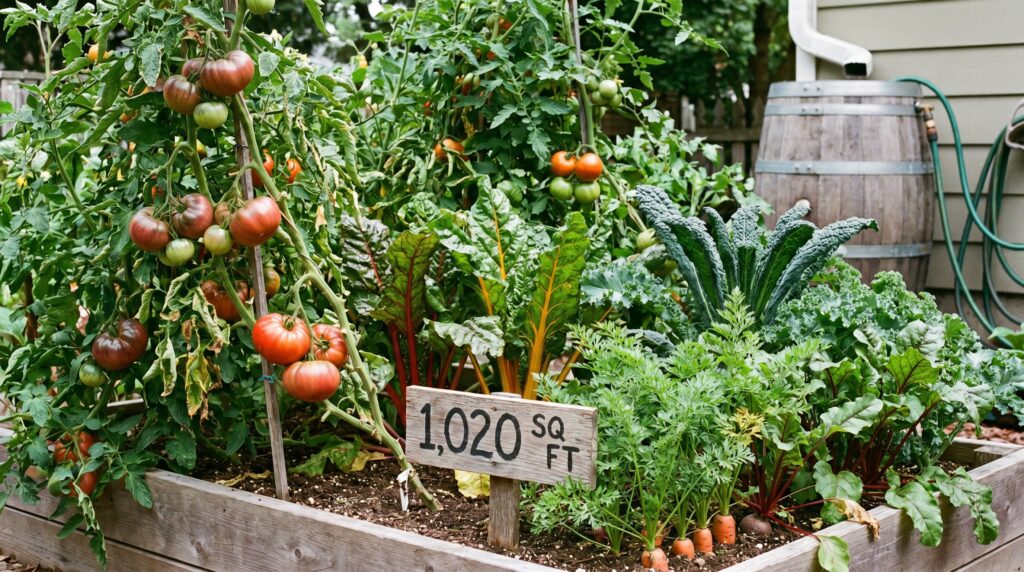
The Melchiores’ core promise is bold: You can grow all the vegetables you need for one person on just 1,020 square feet. ### Key Features of The Self-Sufficient Backyard
- 100+ Step-by-Step Projects: From chicken tractors and rabbit hutches to pressurized rainwater systems.
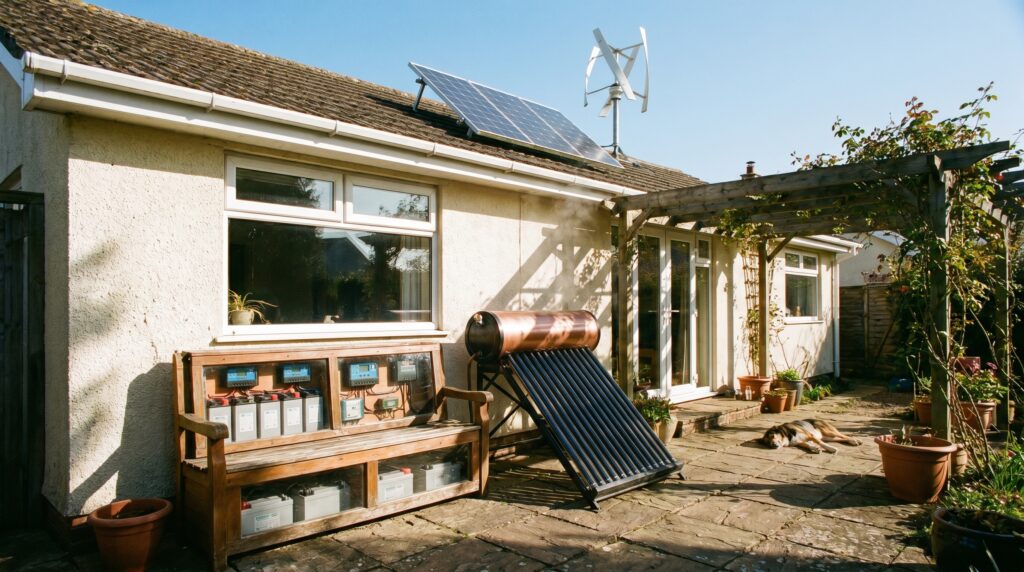
- Micro-Grid Energy: Simple hybrid solar/wind setups that don’t require a degree in engineering.
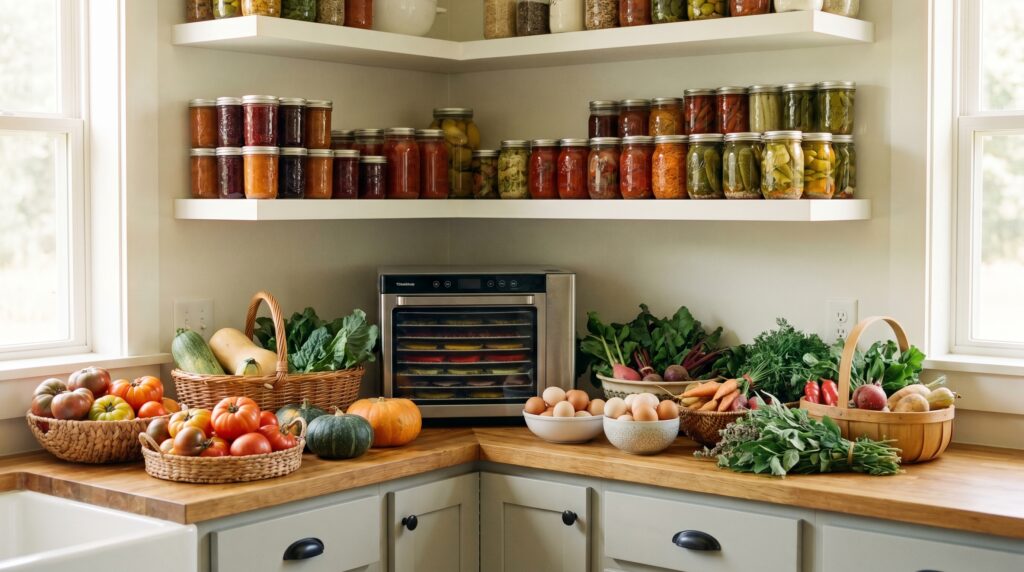
- The “Zero-Waste” Kitchen: Advanced food preservation techniques (canning, dehydrating, and fermenting) to keep your harvest fresh year-round.
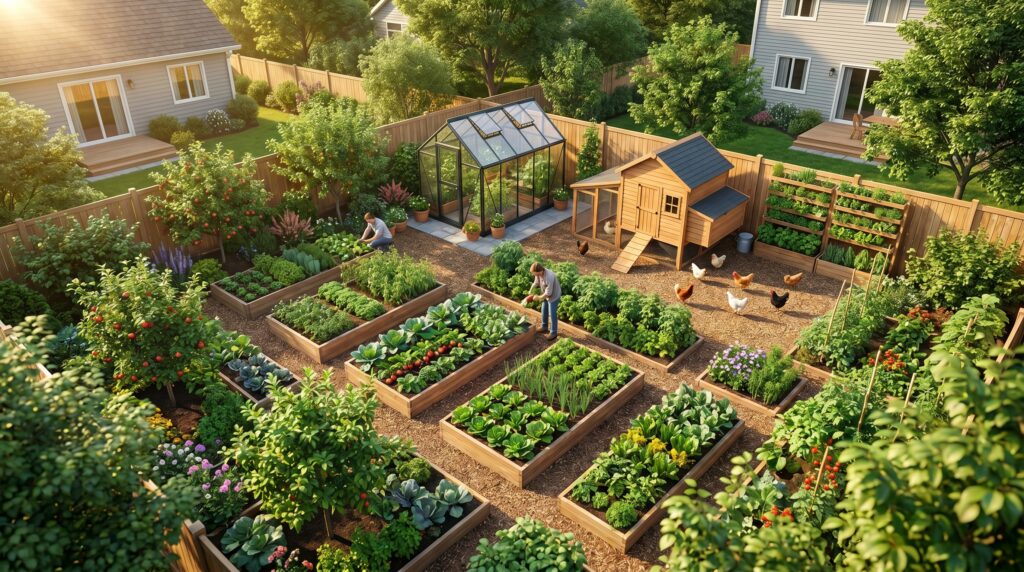
- Small Space Optimization: Techniques that work for a 1/4 acre suburban lot or even a small urban patio.
3 Projects You Can Start This Weekend
In addition to the practical projects outlined in the guide, you can explore various forms of self-sufficient practices. For instance, consider incorporating companion planting techniques in your vegetable garden. This method not only maximizes space but also promotes healthier plants. Examples include planting tomatoes alongside basil, which can enhance flavor while repelling pests.
Another engaging project to consider is setting up a compost bin. This simple DIY project allows you to recycle kitchen scraps and yard waste into nutrient-rich compost, which can significantly enhance your garden’s productivity. Implementing composting practices contributes to waste reduction and fosters a sustainable lifestyle.
One reason this guide is a Digistore24 bestseller is its practicality. You don’t need a $50,000 renovation. You can start small:
- The Window Quilt: An easy DIY project to slash your heating and cooling costs by insulating your home’s weakest points.
- The 55-Gallon Rain Barrel: A simple setup to capture roof runoff, reducing your water bill by up to 60% for your garden.
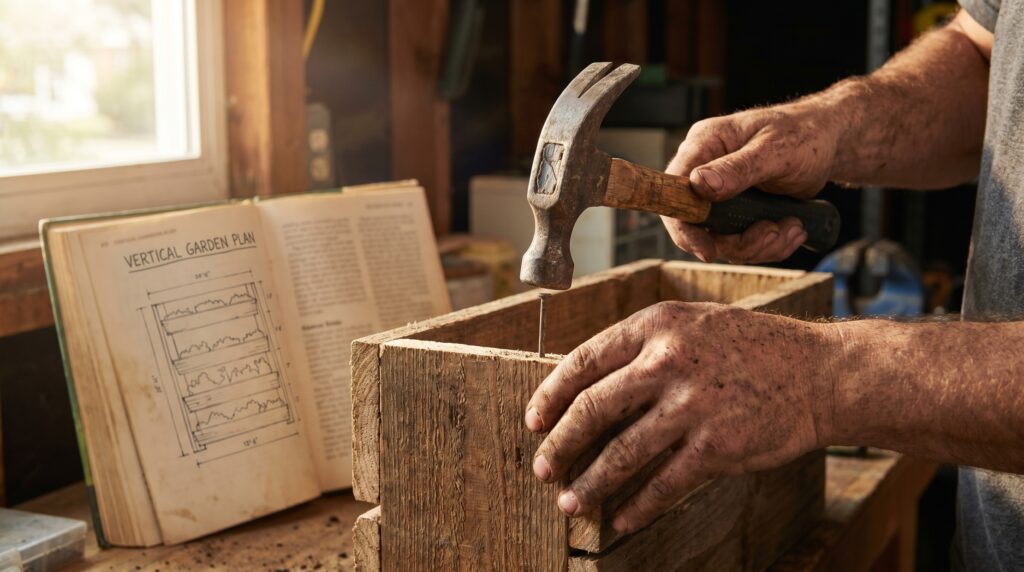
- The High-Yield Vertical Planter: Grow 24+ plants in less than 2 square feet—perfect for the 2026 “container gardening” trend.
Is It Worth It? (A 2026 Perspective)
At roughly $37–$50 (depending on whether you choose digital or physical), the book pays for itself the moment you successfully implement even one water-saving or food-growing system.
Looking ahead, the self-sufficient lifestyle is not just a fleeting trend. It’s a movement towards resilience and sustainability that can significantly benefit future generations. By sharing knowledge and resources, we can create a more sustainable community that prioritizes self-sufficiency. Whether it’s through workshops, online forums, or local meet-ups, there are ample opportunities to learn and grow together.
“We don’t have a big pension, but we live a more than decent living just with what our tiny 1/4 acre homestead produces.” — Ron & Johanna Melchiore
The Pros & Cons
| Pros | Cons |
| Beginner Friendly: No prior DIY skills needed. | Time Investment: Some projects take 1–2 weeks to build. |
| Realistic Budgets: Projects range from $20 to $500. | Physicality: Best suited for those with at least a small yard. |
| Bonus Guides: Includes a medicinal garden and seed-saving guide. |
Final Verdict
If you are tired of watching your hard-earned money disappear into utility bills and supermarket checkouts, The Self-Sufficient Backyard is the most comprehensive “manual for independence” available today. It’s not about leaving society; it’s about creating a safety net right in your own backyard.
Ultimately, the journey towards self-sufficiency is a personal and evolving process. As you embark on this path, remain open to experimenting with different methods and strategies. Document your progress and celebrate the small victories, as these will motivate you to continue pursuing your self-sufficient goals. The Melchiores provide the foundational knowledge to get started, but your unique experiences and adaptations will shape your journey in this rewarding lifestyle.
Click here to watch the video presentation and see the 1,020 sq. ft. layout for yourself.
For those looking to integrate more advanced projects, consider building a greenhouse. This structure can extend your growing season and protect sensitive plants from harsh weather. Greenhouses can also be powered by solar energy, reducing your reliance on traditional electricity sources. Investing in such projects allows you to deepen your commitment to self-sufficiency while enhancing your garden’s output.
Disclosure: This post contains affiliate links. If you make a purchase, I may receive a small commission at no extra cost to you.